All aktivitet
Denne strømmen auto-oppdateres
- Siste time
-
-
Det tror jeg ikke. En del youtubere etc er invitert til å bli de første som får se og prøve Squadron 42 på et arrangement i Manchester 9-11 oktober. Jeg tror SQ42 lanseres kort tid etter det.
-
Er det? Slik at Israel får fritt leide i Libanon?
-

Nei, kraftkrisen er ikke enkel å løse
sk0yern svarte på inside_997084 sitt emne i Diskuter artikler (Tu.no)
Hvem er det som egentlig "forventer normal nedbør"? Forventer du "normal" nedbør i sommer? Eller i høst? Hvorfor forventer du i så fall det? Du snur det vel egentlig litt på hodet her, det mange påpeker er at kraftsystemet vårt er væravhengig. Dette bør man ta hensyn til, men å legge inn sikkerhetsmarginer for at det kan bli mindre nedbør vind enn normalt. Så er det andre som har vært skråsikre, og heller antatt at det skal blir mer nedbør og vind enn normalt, gitt at man har tappet magasiner langt under median. -
De kommer til å skru opp vektavgiften og trafikkforsikringsavgiften kraftig de neste årene. Bare en måte å jobbe imot det på, stemme på partier som liker biler. Trafikkforskringsavgift Staten drar inn 4800kr i året på Co2 og veibruksavgift gjennom drivstoffprisen på en bensin/diesel bil som kjører 12000km. Så trafikkforsikringsavgiften på elbiler blir rundt 7000 kr i året så fort de tenker at de kan komme unna med det.
-
Helt enig!
-
I Norge i dag er det de som ikke feirer Pride eller som mener 1 måned er litt vel drøyt, som blir utestengt, trakkasert og mobbet. Sier ikke det alt man bør vite om at problemet har snudd? Jeg feirer ikke EID heller, men møter ikke samme holdninger der. EID blir dog flagget ganske hardt på arbeidsplasser i offentlig sektor så jeg lurer av og til på hvorfor man ikke fremhever andre religioners høytider på samme måte. Vi har et stort antall troende fra andre religioner som ikke får noe tid i plenum i offentlig sektor. Men tilbake til tvangsforing av Pride og utfrysning av alle som ikke stiller seg bak flaggingen i alle sammenhenger. Noe som forøvrig minner meg om Soviet tiden og hvordan borgerne ble tvangs indoktrinert med ideologi, riktige meninger og tankesett.
-
…I samarbeid med assad….han er jo en fin fyr? Hva i alle dager gjorde du i syria under krigen?
-
Ser ut til at Sentralbanken kjemper med begrensede midler mot en snillistisk politikk. Det eneste verktøyet som benyttes er renter og dette har begrenset virkning i en oljedrevet nasjon som Norge. I bakgrunnen presser regjeringen på med kostnadsdrivende faktorer som generøse trygdeordninger, en voksende offentlig sektor, økende skatter/avgifter og prestisjeprosjekter preget av byråkrati og budsjettoverskridelser. Nøysomhet, anstendighet og grundervirksomhet har dessverre blitt fremmedord for folk flest. Da skapes det inflasjon og større forskjeller, stikk i strid med regjeringens offisielle politikk.
- 102 svar
-
- 1
-

-
Nei, på ingen måte! Skal man se på det på den måten må det jo bli et argument for det motsatte; kjøpe elbil nå, mens det enda er "billig".
-
Jeg tror kanskje de største årsakene til at vi ikke har fått ned inflasjonen er -kronekursen, når man får en ekstra 20% prisøkning oppå det eu land får på import, så sier det seg selv. -Energipriser, Eu fikk en skikkelig smell ved ukrainakrigen, da gassprisen gikk til himmels. Dette ble jo reversert før Iran krigen og man fikk en rask redusering av en av deres største kostnader. -strømprisene i norge har virkelig tatt av, nå er jo også midt norge ødelagt pga ny overføring over sognefjorden. Dette fører på papiret til økt inflasjon, selv om det egentlig er eksterne faktorer som påvirker. Om norges bank gjør jobben sin? -Ja jeg tror de forsøker å balansere inflasjonmål opp mot sysselsetting og finansiell stabilitet, akkurat slik de er satt til. Det er ikke bare ett inflasjonsmål de skal styre etter, slik du hevder. La oss ta i å si de øker til 10%, da kommer vi til å se mange personlige konkurser, en byggenæring som går overende, tvangssalg av boliger, boligprisfall, banker som ikke har nok sikkerhet for utlån pga prisfall og videre banker som kan få trøbbel. Trådstarter skryter jevnlig av de millionene han har på bok som han forvalter på en helt idiotisk måte, så du gråter jo for din syke mor her. Det du burde tenke på, hvis rentene stiger til 10% er at bankenes sikringsfond bare dekker inntil 2mill per bank.
- 102 svar
-
- 2
-
-

Serieprat - Generell diskusjon om/rundt serier. Bruk spoilertags
Filmvenn svarte på Onyx sitt emne i TV-serier og -programmer
Vanligvis hater jeg disse "masseproduserte" Harlan Coben-seriene til Netflix. Men jeg klarte å se de fleste episodene av I Will Find You på rappen i går. Det er noen ganske generiske ting med serien, men jeg tror grunnen til at jeg holdt ut med den kontra de nå 20 (?) andre Coben-miniseriene/seriene på Netflix, er vel at det virker som spesielt skuespillerne forsøker å levere her. Liker Sam Worthington (fra Avatar som nevnt), Britt Lowdf (fra Severance), Jonathan Tucker (fra Justified) og Clancy Brown (fra Carnivale) i serien kanskje mest. -
Han har ennå ikke kommentert en eneste kamp så langt, så jeg ser ikke helt vitsen med hvorfor de hentet han til NRK. Mulig de vil spare den "entusiastiske" gaulinga hans til etter gruppespillet. Håper på at han har blitt bortført av aliens eller noe, men det blir vel med håpet... Jeg så Tunisia-Japan nylig med Nora Johnsen som hovedkommentator og Bengt Eriksen som ekspert. Min favorittduo hittil i mesterskapet (medregnet folka i TV 2). Flinke kommentatorer, begge to. Og mer behagelige å høre på enn Wikestad.
- I dag
-

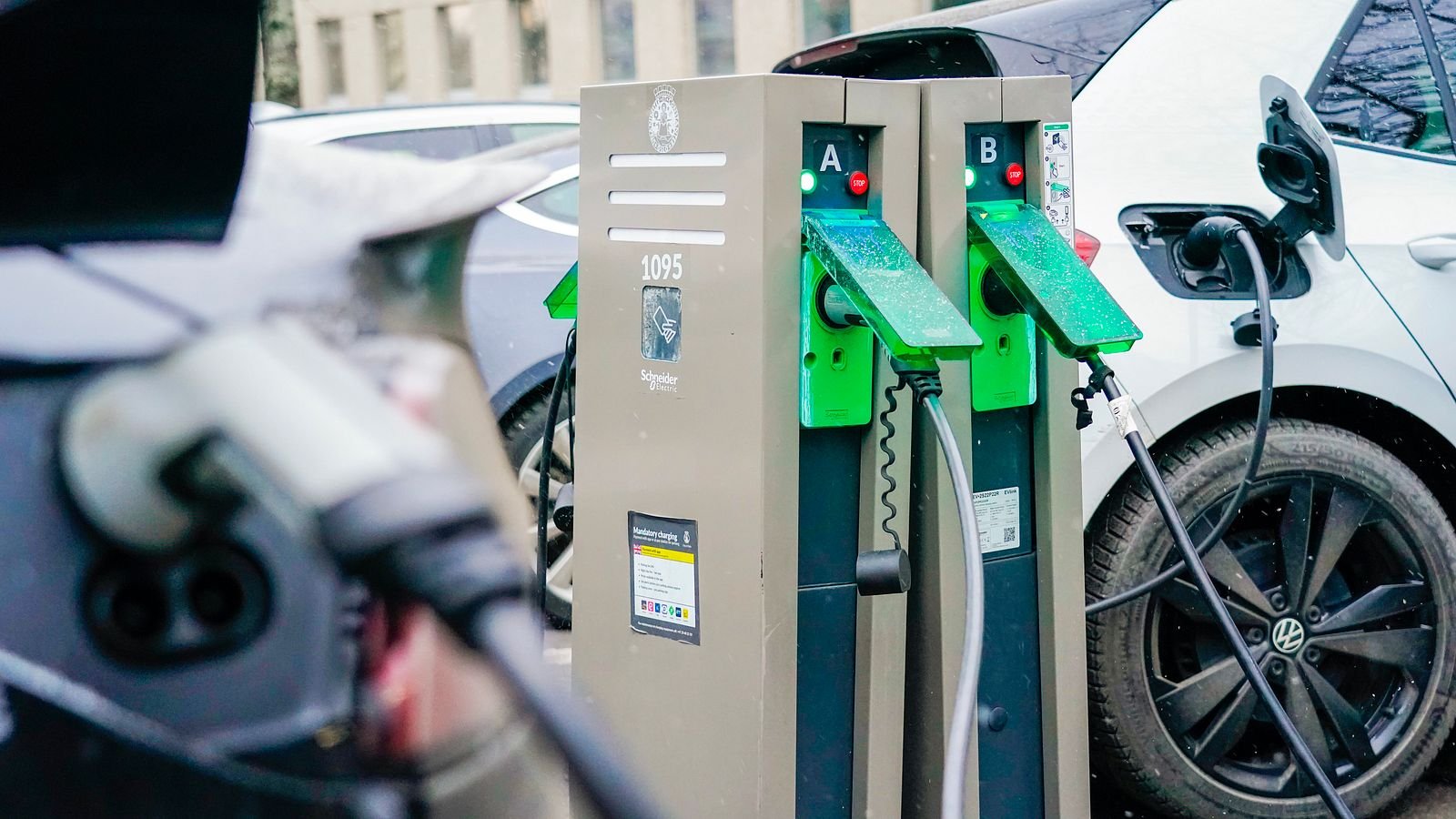
Rekkeviddeangsten øker i Norge: – Oppsiktsvekkende
Diskusjon.no publiserte et emne i Diskuter artikler (Tek.no)
Nesten én av fem elbilister frykter å gå tom for strøm.Les hele artikkelen på Tek.no her
-
Det er en interessant påstand all den tid Pride består av et mangfold meningsmotstandere som er uenige i enkeltsaker som kan knyttes til ulike typer rettighetskamp for skeive. Dette har man sett i årevis. Pride har aldri vært et rent enighetsfelleskap. Derfor er det merkverdig at mange presenterer Pride som en slags pakkeløsning man enten må si ja eller nei til og en homogenisert masse. Det er også uriktig, siden det allerede er politisk uenighet i enkeltsaker blant de som feirer. Det var det også før transpersoners rettigheter ble satt på dagsorden. Pride viser at mennesker i felleskap kan feire og gå i tog under et overordnet budskap, sammen, til tross for at de er meningsmotstandere i enkeltsaker.
-
Sjuk kamp i natt. Nå er det bare å krysse fingre og tær for at de slår eklingene Saudi-Arabia i den siste kampen.
-
Samme her.
-
Det er helt innafor!
-
Husk at Hizbolla var det rom redda flest Kristnene under Syria krigen, når vesten gjorde 0 så var det Hizbollah som redda de Kristne, var selv i Syria da og møtte mange
-
Kompensere det med å redusere antall offentlige ansatte og effektivisere offentlig sektor
-
Og hvordan kompensere for dette? For å svare meg selv: sentralbanken må opp med rentene. Men tør hun? Det er enormt politisk press mot dette. Så langt har sentralbanken vært svært forsiktig og ikke gjort det hun selv mener er rett
-
Finere ja, men SUV-fasongen / -proporsjonen blir aldri fin i mine øyne.
-
@arne22 du kom med tekniske påstandar og viste til piratradioer på fm. Då er det ikkje heilt enkelt å vite at du sikta til regulatoriske kostnader. Forøvrig er det mønster; du flytter målpostane når du får svar.
- 106 svar
-
- 2
-

-
Noe interessante artikler; US looks like it’s 'having a nervous breakdown' as Trump breaks old world order Et stort problem med det amerikanske samfunnet fra begynnelsen er at ordet "samfunnsfred" aldri har eksistert - "From the outside, it looks as though the United States is having a nervous breakdown," Friedman, founder and chairman of Geopolitcal Futures, writes in the i Paper. "Decisions taken by the White House — at home and abroad — have appeared erratic and irrational. Yet, what we are actually seeing play out is one of the virtues of the United States — its ability to reinvent itself in fundamental ways." Friedman continues, "The United States is an invented nation. Its system of government engineered at a meeting in Philadelphia in 1787. Its citizenry is also invented, based on the vast number of nations from which the population migrated, creating a unique and powerful culture." Friedman isn't necessarily defending Trump, but rather, his point is that the United States didn't suddenly become turbulent — it was turbulent from the beginning. "Invention and reinvention in all things is the foundation of American culture, along with the concept of obsolescence," Friedman explains. "Over time, it evolves and seems to be profoundly different than it was — first by violating norms, then creating new ones. It is a process that seems like a breakdown. What it is, is reinvention." The 77-year-old Friedman, whose family moved to the U.S. from Hungary, cites "two examples" of the U.S. "reinventing itself" in the past. "In the Great Depression of the 1930s," Friedman recalls, "Americans suffered, raged and isolated themselves to the largest extent possible from the world. President Franklin D. Roosevelt came into office, destroyed the existing reality and oversaw the construction of a new one. He issued executive orders that had no basis in the constitution, such as shutting down the banks. He was accused of being a dictator, and his actions were reversed many times, including in the Supreme Court. He responded by trying to pack the (U.S. Supreme) Court with judges loyal to him. He failed but was not daunted." Friedman continues, "Many loathed him, many loved him…. Consider now the 1970s. The Vietnam War and matters of race tore the country apart. The United States lost the war, and many said the U.S. was a failing country. It suffered economically from inflation, along with freezing wages and prices, something without precedent…. Then, in 1981, Ronald Reagan came to power, violated all prior norms by decreasing taxes on the wealthy, which although held in contempt by his detractors, made possible the surge of investments in computer technology." Friedman emphasizes that whatever one thinks of Trump, it is important to understand him. "Both in the 1930s and 1970s," Friedman says, "the U.S. seemed to be having a nervous breakdown. It was reinventing itself. The same is happening now in Trump's America…. Trump is generating a new geopolitical reality. If we are to understand his behavior, he has been engaged in the process of the creative destruction of the old and obsolete order, paving the way to a new world order that allowed the United States to focus on its near abroad, rather than to the onerous necessity of being forced to be a global policeman." Dette gjør det amerikanske folket for utilregnelig for resten av verden. Discontent over US intervention grows in Venezuela: 'This isn't getting better: it gets worse every day' Det er mulig at det første opprøret mot Trump vil ikke være i USA, men i Venezuela hvor det ikke har blitt bedre, oljepengene helt utebli, både regime, vanlig folk og lokale oljeprodusenter har opplevd at mens det eksporteres mer og mer, har meget lite kommet i retur. U.S. guardianship over Venezuela endures. And with it a hard-to-describe sense of waiting grows among the population: a huge expectation of economic improvements and a transition to democracy that has yet to materialize. Impatience is spreading, especially among political elites. Oil production is rising, driven by new exploitation licenses granted by Washington, but the surplus has not yet translated into revenue for the treasury. The currency steadily depreciates. Economic stagnation is one of the most frequent — and distressing — topics of conversation in the streets of Caracas. Contrary to what Donald Trump said, Venezuelans are not dancing with joy in the streets. “The gringos do whatever they want and nobody here says anything,” says Gregoria Acosta, a resident of Petare, a large working‑class area east of Caracas. “They said things were going to get better, but the dollar is worse than ever. I think those guys just want to take the oil.” On Thursdays and Fridays it has become common for relatives of political prisoners, activists, union leaders and teachers not to march to downtown Caracas — where the public powers are — but to the U.S. embassy in the Valle Arriba neighborhood, to confront Chargé d’Affaires John Barrett or ask Washington to intervene for better wages and an electoral timetable. “The gringos arrived and began making promises that things would improve,” says Roberto Tovar, a plumber from Chapellín, a working‑class neighborhood wedged between middle‑class areas in north‑central Caracas. “This isn’t getting better: it gets worse every day. I’ve even thought about emigrating again.” “Oil production is rising, but the currency continues to depreciate every day and inflation is accelerating,” Ricardo Hausmann, a Venezuelan economist and Harvard academic, wrote on X while commenting on how Washington is handling the country’s oil revenues. “Not much money is actually coming into Caracas.” “Venezuela is not today where we hope it will be for the people of Venezuela’s sake, but it is moving in the right direction,” Secretary of State Marco Rubio said at a recent appearance before the House. “Our hope was to stabilize the country. We didn’t want to see civil war. We didn’t want to see systemic collapse. We didn’t want to see a mass migration event. You’ve seen none of these things,” he added. Rubio said the oil surplus should be audited before entering the Venezuelan economy: “Venezuela’s economic recovery is going to take time.” The news of the operation that resulted in the death of El Niño Guerrero — head of Tren de Aragua, the Venezuelan‑origin criminal organization present in several countries — announced by Trump himself, was received in Caracas with disbelief and mockery. People talk about the “close cooperation” Washington attributes to the government of Delcy Rodríguez in the operation, and the freedom with which U.S. armed forces operate on Venezuelan soil. Another widely discussed episode came on May 23, when U.S. military aircraft crossed Caracas’s skies and landed near the embassy. Days earlier, General Dan Caine, chairman of the Joint Chiefs of Staff of the U.S. Armed Forces, had visited the country in the absence of Delcy Rodríguez, who was on a visit to India. Some opposition politicians privately call Washington “the guardian.” In critical sectors of Chavismo, the term used is “the wards.” Hardliners no longer hold back their criticism of acting President Rodríguez, whose administration has accepted Washington’s directives with striking docility. Historic leaders of the United Socialist Party of Venezuela (PSUV), such as Elías Jaua — a former vice president and close confidant of Hugo Chávez — have urged activists to organize against the guardianship. The Simón Bolívar Coordinator — the founding core of the colectivos, armed civilian militias loyal to the revolution present throughout the country — issued a statement denouncing “a country besieged by international corporations, invaded by the mercenaries of capital, and militarily attacked” and called on its members to resist. Washington officials enter and leave the country leaving directives on the new oil, energy, and mining laws that the National Assembly has been approving. Talks between the two governments do not focus on democracy or human rights. They get straight to the point: security, better conditions for private investment, lower royalties for the state, returns for international capital. “Operational normalization — licenses, energy, mining, security, and contracts — is advancing much faster than a verifiable democratic architecture,” Benigno Alarcón, a Venezuelan lawyer and political analyst, wrote on X. “The main risk remains that the regime advances its stabilization and manages to replace transition with normalization. That it succeeds in co‑opting relations with the United States,” he added. Within the opposition leadership, U.S. guardianship tends to be seen as temporary and necessary. With free elections and the restoration of popular sovereignty, leaders such as Juan Pablo Guanipa or Andrés Velásquez say things would return to normal and the United States would leave. Rubio’s three‑phase plan — stabilization, recovery, and transition — remains the opposition’s reference roadmap. “We have discussed and approved a roadmap in the [opposition Unitary] Platform that marches in step with what Marco Rubio has said; there is no mystery about that,” says Delsa Solórzano, leader of Encuentro Ciudadano and a key figure of the Unitary Platform. “We met in Panama and reached important agreements, those outside the country and those of us remaining here. Their presence is necessary at this stage. Our first objective is to return to democracy.” “The loss of sovereignty is a very serious issue that everyone avoids confronting,” says Andrés Caleca, leader of the Movimiento por Venezuela party. “Twenty‑seven years of Chavismo meant the destruction of the Republic. The violation of Venezuelan sovereignty goes back a long time: control of the repressive apparatus and of the Armed Forces themselves has been Cuban. We saw it on January 3: Maduro’s security ring, flattened in that attack, was made up of Cuban soldiers,” he adds. Caleca then alludes to María Corina Machado: “There are sectors in the opposition that have been asking for a military intervention for many years. They have said it: we cannot do it alone. That has consequences. And here we are.” “The population expects political change, but above all, and first and foremost, improvements in the economy,” says Félix Seijas, an executive at the polling firm Delphos. “Most of the country sees that things are moving slowly, but the population also greatly values the change in atmosphere since January 3. The dominant feeling in the measurements is that things have been delayed, but that something definitive will have to happen in Venezuela. That expectation remains,” he explains. “There is total dependence of the regime on the interests of the United States,” says prominent historian and intellectual Elías Pino Iturrieta, a voice widely heard within opposition ranks. “The opening is minimal, with imperial complacency: stepmother Trump and his submissive stepchildren. The opposition hesitates, because it also depends on Mar‑a‑Lago. It is not an auspicious outlook, and there are no near prospects for change, due to the weakness of social forces and the fear of repression,” he laments. For the writer and professor, Venezuela, far from dancing, “revels in a fetid swamp.” Til tross for Rubios innsats er det meget smertelig klart at noe er gått meget galt, altfor lite av oljeinntektene som var ført inn i et fond under amerikansk kontroll - som Rubio selv ikke kunne komme til - har blitt returnert til Venezuela hvor alle er i ferd med å bli misfornøyd. Fondet er under Trumps kontroll...
-
Er dette argumenter for å IKKE kjøpe elbil nå?